
What foreign residents should know before buying, selling, inheriting or financing a property in .Jerusalem, and why an English-speaking local appraiser makes the difference Buying, selling or inheriting a property in Jerusalem from abroad is not like doing it at home. The legal system, the land registry, the planning rules and even the way apartments are measured are all different. Most of the documents are in Hebrew. Decisions often have to be made quickly and from thousands of kilometers away.
A licensed real estate appraiser in Jerusalem (in Hebrew, shamai mekarkein) gives you an independent, professional opinion of what the property is really worth, and of the planning and legal issues that affect that value. When the appraiser also speaks your language and writes the full report in English, you can understand every detail and make your decision with confidence.
Why Local Expertise Matters in Jerusalem? Jerusalem is not a uniform market. Two apartments on the same street can differ greatly in value because of the planning rights that apply to the building, its preservation status, or whether the plot is part of an urban renewal project. Much of the city is undergoing renewal and development, and many properties carry added value from future planning or from municipal policies that allow additional construction. Reading that potential correctly requires knowledge of the city's planning history, not only of recent sale prices.
A short history of planning in Jerusalem:
- The Kendall Plan (1944): prepared during the British Mandate by the architect and town planner Henry Kendall.
- Master Plan 62 (1959): based on the Kendall Plan. It divided the city into zones and set building rights for each zone. To this day, it is often at the center of betterment levy disputes.
- Master Plan 2000: presented to the public in 2004 with guidelines through 2020. It was never formally deposited and has no binding legal force, but the municipality and the planning committees use it as a guiding policy document.
- Master plans for neighborhoods (Tochniot Av): to set planning policy and create certainty for developers, the Jerusalem Municipality approves master plans for different parts of the city. These plans have no binding legal status; they are policy documents only. In simple terms, they provide a planning framework that tells developers what they can expect to receive on each plot if they choose to promote a new zoning plan (TABA, a Town Building Plan). Master plans reveal the planning potential embedded in a property, so knowing the planning policy in each part of the city is critical for an accurate and reliable appraisal.
- Light rail corridor policy: municipal policy decisions encourage denser, mixed-use construction along the light rail routes, including high-rise buildings on larger plots.
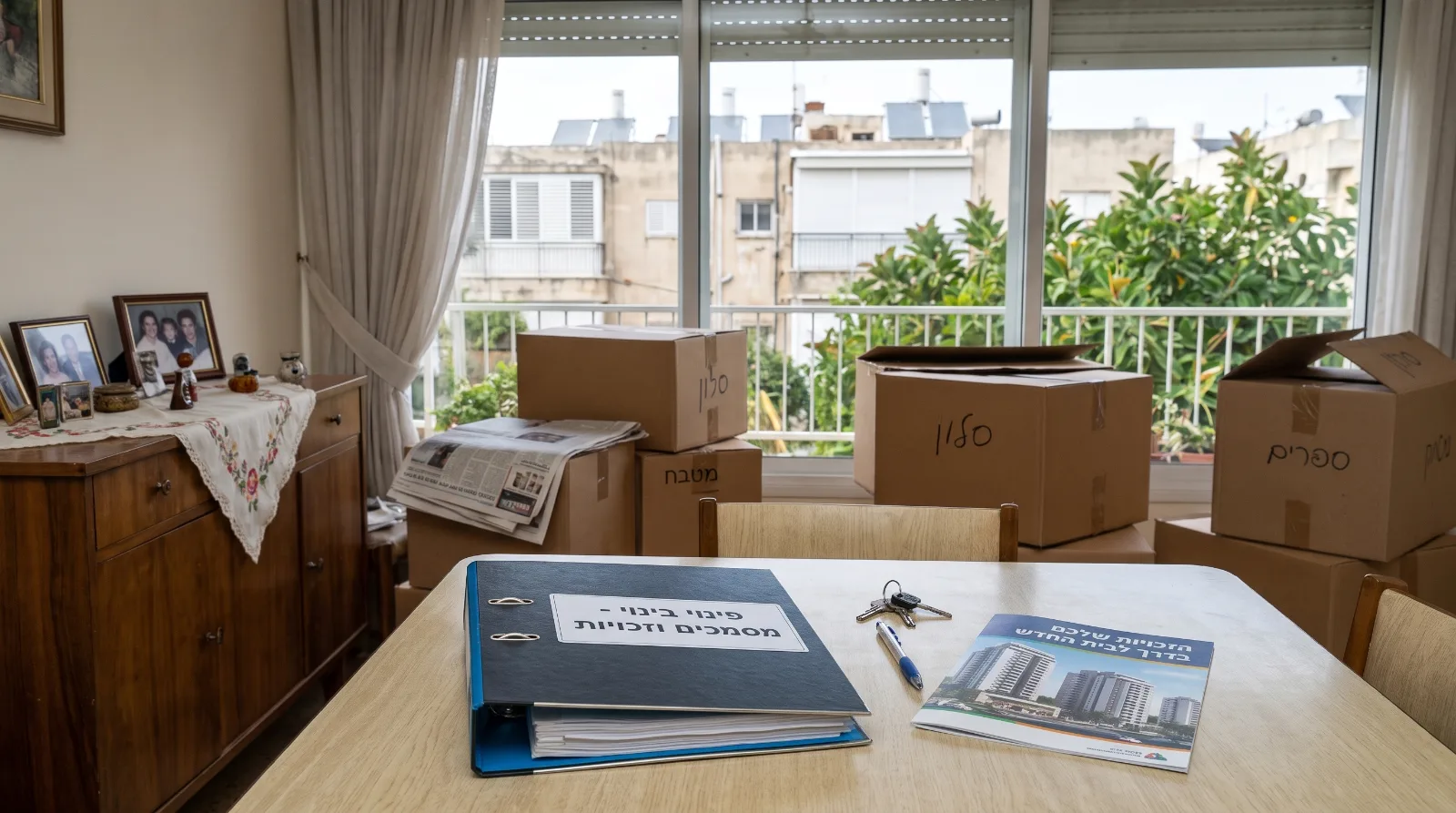
Urban renewal and the light rail Jerusalem is one of the leading cities in Israel in urban renewal. Many Pinui-Binui (demolition and reconstruction) projects have been approved, especially in neighborhoods such as Kiryat Yovel and the Katamonim, alongside many TAMA 38 projects (strengthening and expanding existing buildings). The Red Line of the light rail has operated since 2011, and additional lines are under planning and construction. Proximity to the light rail supports further densification and can directly affect the value of a property.
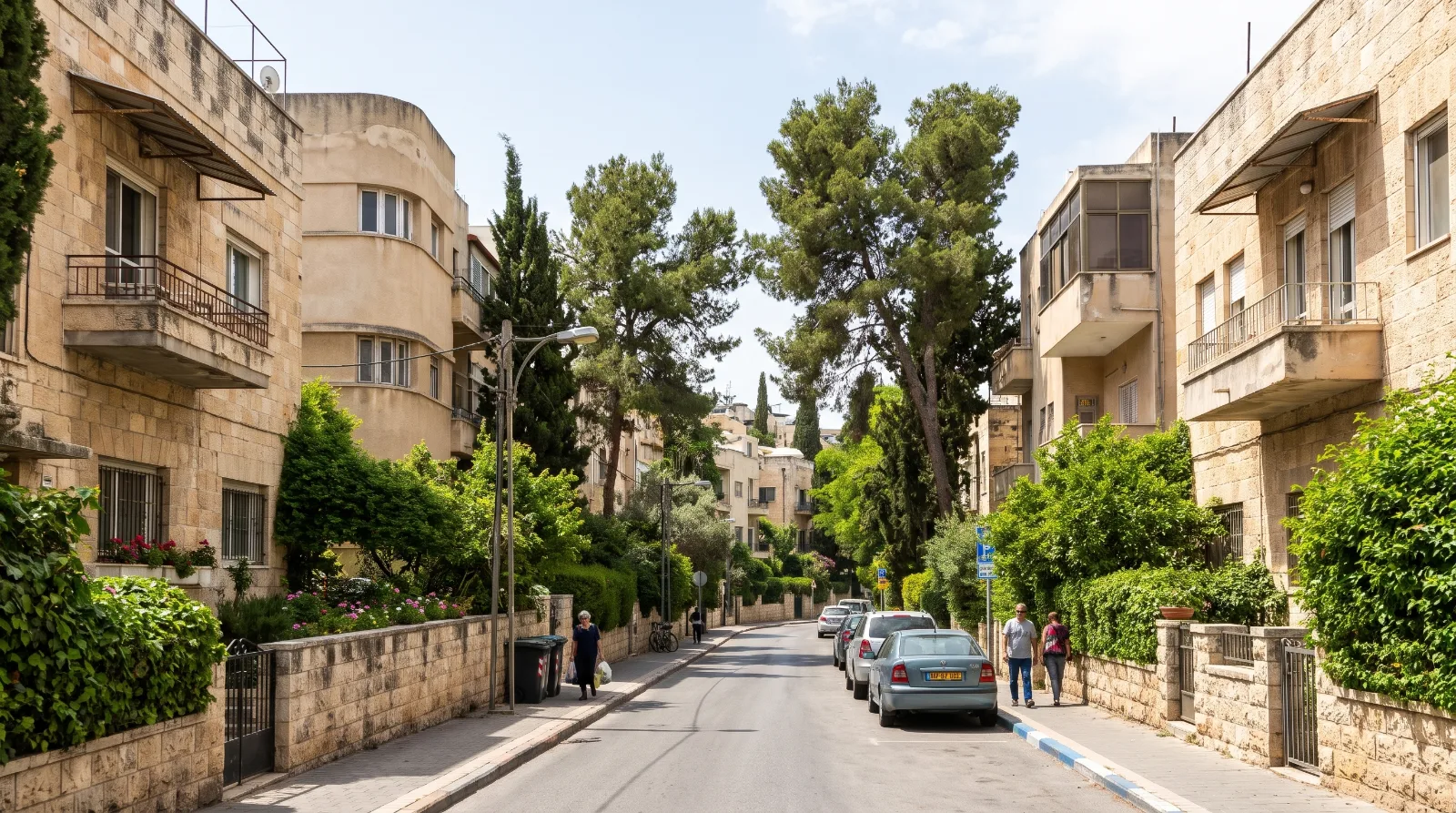
Experience in Jerusalem's Prime Neighborhoods Our office has extensive experience appraising luxury and unique properties in the city's core neighborhoods, including Baka, Talbiya, Rehavia, the German Colony, Old Katamon and their surroundings. These are the neighborhoods most sought after by overseas buyers, and they have characteristics that a general appraiser can easily miss:
- Historic and preserved buildings: many buildings, including old Arab-style houses, are designated for preservation. This limits what can be changed or added, and may involve additional costs.
- The historic city zone: in areas such as Rehavia, building permits require special documentation and approvals, which affects both cost and timeline.
- Neighborhood-specific planning: for example, Plan 9988 in Rehavia defines building rights, number of floors and building lines for each plot, and has been the subject of extensive litigation regarding betterment levies.
- Unique properties: garden apartments, penthouses, private houses and apartments with large terraces or roofs, where there are few direct comparable sales and professional judgment is essential.
Property Appraisals in English: Services for Foreign Residents We carry out all types of real estate appraisals in English, with the same professional standards as our Hebrew reports: We carry out all types of real estate appraisals in English, with the same professional standards as our Hebrew reports: Pre-purchase appraisal: efore signing a purchase agreement, to know whether the price is fair and to identify planning or legal risks. Market value appraisal Before selling, for family arrangements, or for your own financial planning. Inheritance and estate valuations When heirs living abroad need to divide or sell inherited property, or need a value for proceedings in Israel or abroad. Betterment levy and taxation Reviewing and objecting to betterment levy demands (heitel hashbacha), and appraisals for purchase tax and capital gains tax (mas shevach) purposes. Urban renewal (Pinui-Binui / TAMA 38) Representing apartment owners only, and reviewing what a developer offers. Expert opinions for courts Expert opinions for Israeli courts and for legal proceedings abroad, including diminution in value claims.
What Foreign Buyers Should Check Before Buying? From our experience with overseas clients, these are the issues that most often surprise overseas buyers:
- Registered area versus advertised area: in Israel, the area listed in an advertisement often includes walls, balconies and a share of common areas. The registered net area may be considerably smaller. An appraiser checks the actual figures against the land registry and the building permit.
- Ownership and registration: some properties are registered as freehold, others are leasehold from the Israel Land Authority, and in some older buildings the condominium was never registered, or the property is held in undivided shares. Each situation affects value and the ease of a future sale.
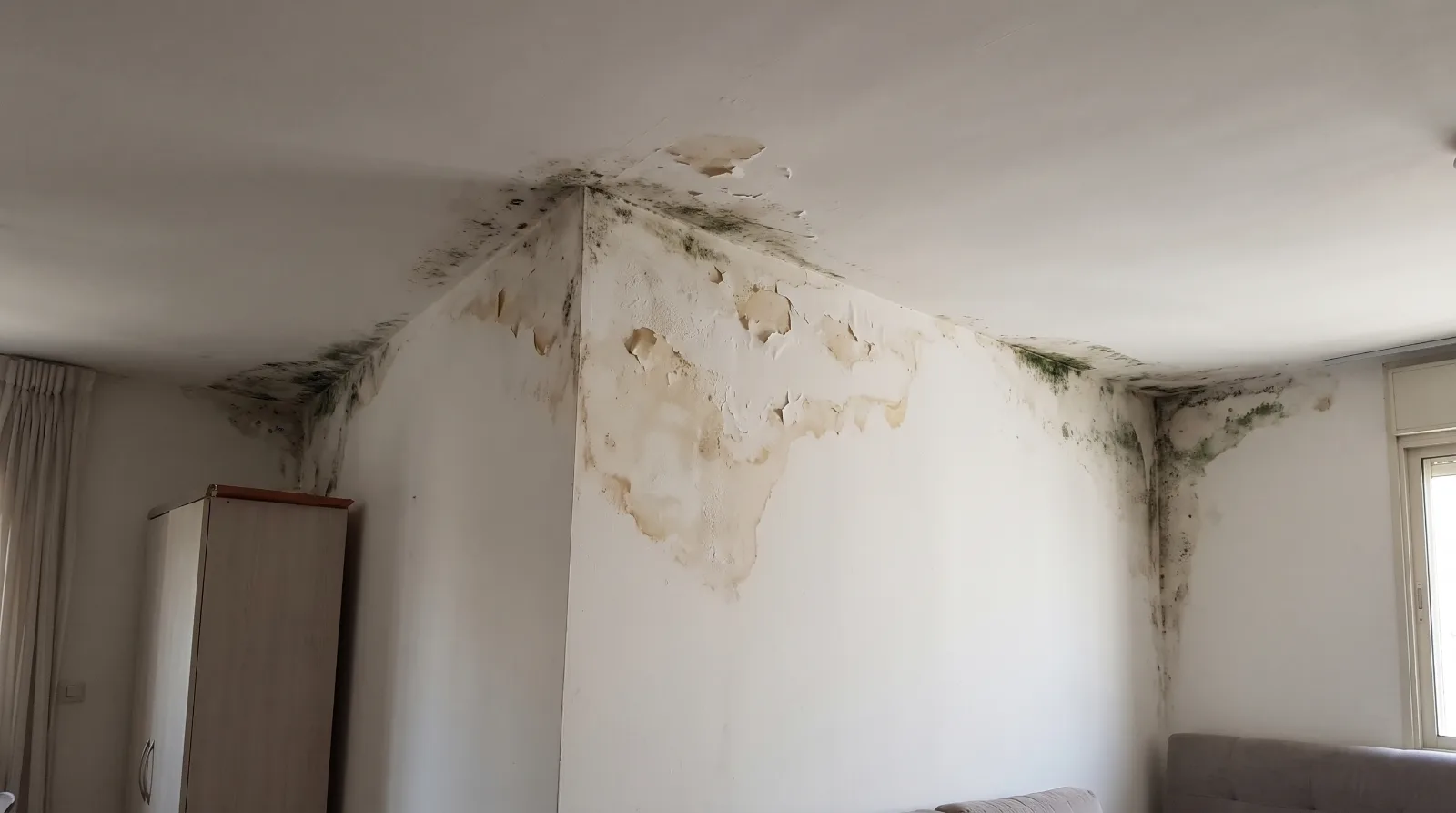
- Building permits and unauthorized additions: a closed balcony, an attic or a roof room that was built without a permit may not be legally recognized, and may even create a risk of enforcement.
- Building rights and future potential: sometimes additional building rights exist on the plot, and sometimes an urban renewal project is planned that will change the building completely.
- Taxes and levies: purchase tax, capital gains tax and betterment levy can significantly affect the true cost of a transaction. The rules for second homes and for non-resident buyers are different, and should be checked with your attorney and tax advisor in advance.
Working With Us From Abroad
- Full reports in English: professional English terminology, clear explanations, and all the supporting data.
- The appraiser himself, directly: you speak with the appraiser who visits the property and signs the report, not with a call center.
- Remote process: we can coordinate the property visit with a relative, an agent or your attorney, and update you by phone or video call across time zones.
- Cooperation with your professionals: we work alongside attorneys, accountants and mortgage advisors in Israel and abroad.
About Yitav Meidan, Real Estate Appraisal Yitav Meidan is a licensed real estate appraiser (License No. 416344) and the owner of a Jerusalem-based appraisal office. He has been appointed as an expert appraiser by Israeli courts, has submitted expert opinions to courts abroad, and writes appraisal reports in both Hebrew and English. The office specializes in Jerusalem's residential market, betterment levy and taxation appraisals, and urban renewal, where it represents apartment owners only. The office is located at 24 HaUman Street, Talpiot, Jerusalem.
Frequently Asked Questions Can I get a property appraisal in English in Israel? Yes. We prepare full appraisal reports in English for all types of appraisals, including market value, inheritance, taxation and court expert opinions. Do I need to be in Israel for the appraisal? No. The appraiser visits the property, and the entire process, including consultations and delivery of the report, can be handled remotely. What is a "shamai mekarkein"? It is the Hebrew term for a licensed real estate appraiser. In Israel, only an appraiser licensed under the Real Estate Appraisers Law may sign a professional real estate appraisal. Is an appraisal different from an agent's price estimate? Yes. An agent's estimate is a marketing opinion. A licensed appraisal is an independent professional opinion based on comparable sales, planning and legal data, and it can be relied on by banks, courts and tax authorities. Which neighborhoods do you cover? All of Jerusalem and its surroundings, with particular experience in Baka, Talbiya, Rehavia, the German Colony, Old Katamon and the city center. Contact an English-Speaking Appraiser in Jerusalem Planning to buy, sell or inherit a property in Jerusalem? Contact us for an initial consultation in English. We will explain what type of appraisal you need and how the process works